Kevin Brown · Sales operator, strategist and builder
Become the competitor they didn't see coming.
Sales strategy, leadership, coaching, and AI for B2B companies.
I help ambitious B2B companies strengthen sales strategy, leadership, and execution so they can compete with bigger players.
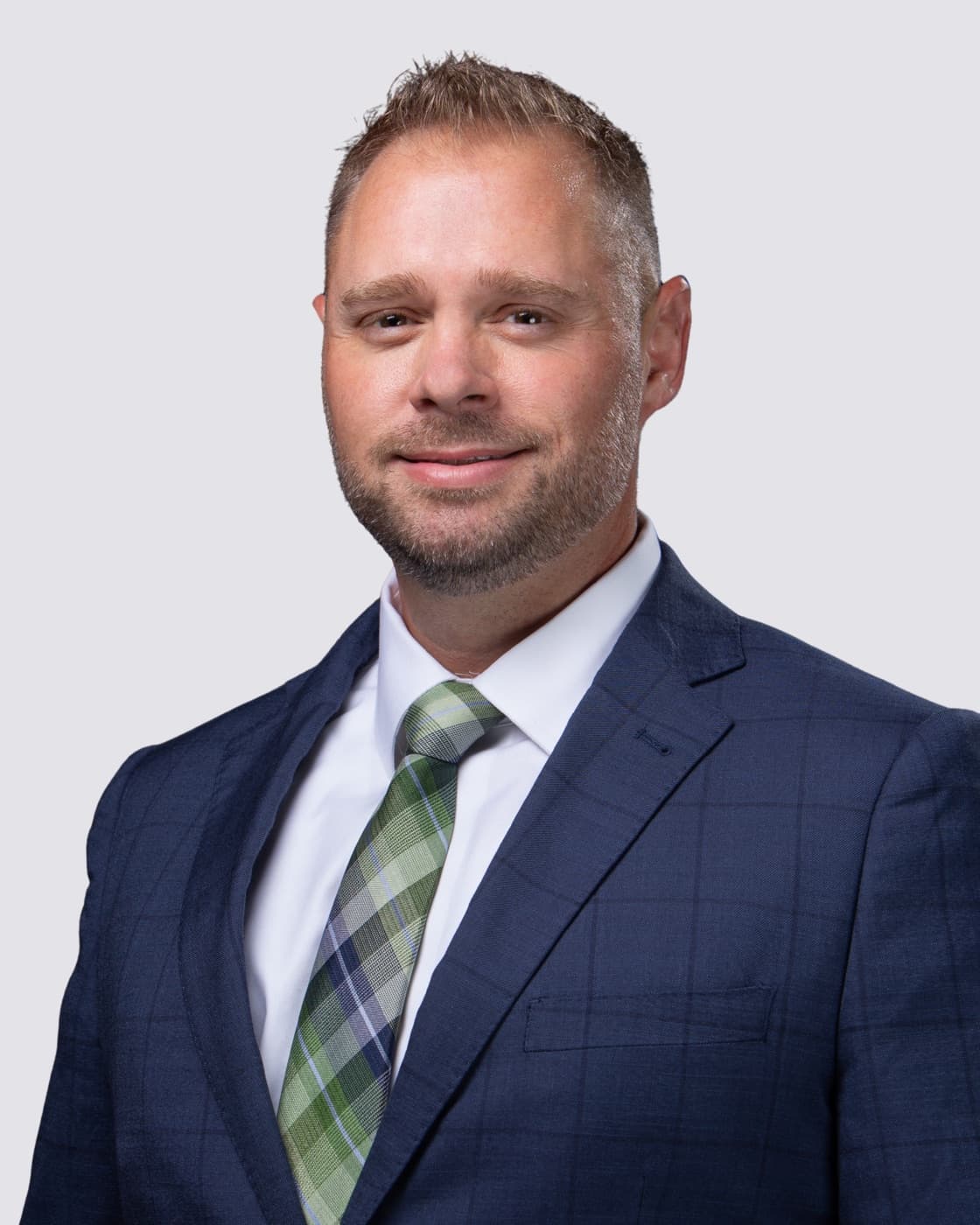
Kevin Brown · Career experience
Meet KevinOver two decades
leading sales organizations
P&L responsibility
sales strategy, people, and execution
Hundreds coached
salespeople and managers across my career
Find the right help
What needs to change in sales?
Start with the problem your team is facing. We can focus on one service or combine them where useful.
Building, rebuilding, modernizing, or scaling?See the situations where Dark Horse can help.
How I work
Find the constraint. Build the change. Equip your team.
Scope follows the problem. I work with your team on live sales decisions and use technology where it helps.
01
Diagnose
Review the plan, pipeline, manager routines, and seller work to find what's limiting performance.
02
Build
Set priorities, owners, and measures. Build the plan, routines, or workflow the problem calls for.
03
Operate
Work with leaders, managers, and sellers to put the changes into practice on live sales work.
04
Transfer
Coach the team and hand over the tools and cadence they need to keep improving.
Common questions
Working with Dark Horse Sales Strategy.
Practical answers about fit, scope, and how an engagement begins.
Who do you typically work with?
B2B companies with a sales team, a meaningful growth goal, and a gap between the plan and day-to-day execution. That usually means a founder, CEO, CRO, VP of Sales, or commercial leader. Industrial, manufacturing and distribution companies are familiar ground. Other B2B companies are welcome too.
Do I need every service?
No. An engagement can focus on strategy, leadership, coaching and training, or AI enablement. I scope the work around the problem we find; the capabilities serve the change the sales organization needs.
Is the AI work really a software sale?
No. It starts with the sales job and the current workflow. Recommendations follow what the work needs, and every workflow keeps people accountable for decisions and customer communication.
Do you guarantee a quota increase?
No, and you should be wary of anyone who does. Measures are agreed at the start of each engagement, covering whether new practices are adopted, the leading indicators they target, and results once there's enough time to read them.
Do you offer fractional sales leadership?
Yes, when you need someone to own sales priorities, lead managers or reps, and run the operating cadence for a period. It comes with explicit decision rights, time commitment, and terms.
How do I get started?
Send a short note through the contact page. I'll reply personally by email, and we can decide whether a conversation would be useful.
Work with Kevin
Tell me what needs to change in sales.
Share what you're building, rebuilding, or struggling to execute. I'll read your note personally and reply by email.